Blog
Turkish Steel Doors: The Smartest Home Upgrade in Kenya

Your front door does two jobs: it’s the first thing visitors notice, and it’s the last line of defense between your family and the outside world. Most homeowners in Kenya still default to wood or basic aluminum — but a growing number are switching to Turkish steel doors, and once you understand why, it’s easy to see the appeal.
This guide walks through what makes Turkish steel doors different, what they cost to own long-term, and how to choose the right one for your home or business.
The Problem With Traditional Doors
Before comparing options, it helps to understand what you’re actually up against in Kenya’s climate and security environment:
- Wooden doors absorb moisture, swell during the rainy season, and are vulnerable to termites and rot over time.
- Basic aluminum doors are lightweight — which also means they’re easier to pry open or kick in.
- Cheap steel imports (not Turkish-made) often use thin gauge metal and low-quality locks that rust or fail within a few years.
Turkish steel doors were built specifically to solve these problems, combining a heavier steel core with coatings engineered for durability in hot, humid, and coastal conditions similar to what parts of Kenya experience.
What Makes a Turkish Steel Door Different
Reinforced Multi-Point Locking
Instead of a single lock point, most Turkish steel doors engage 3 to 5 locking points along the frame when closed — top, bottom, and sides. This distributes force evenly across the frame, making the door far harder to force open than a single-deadbolt setup.
Real Steel Core Construction
Quality Turkish doors use a solid or reinforced steel core, not a thin steel shell over a hollow frame. This adds weight, rigidity, and resistance to both forced entry and fire.
Factory-Applied Coatings
Rather than being painted after installation, most panels are electrostatically powder-coated at the factory. This creates a more even, durable finish that resists chipping, fading, and rust far better than site-applied paint.
Design Flexibility
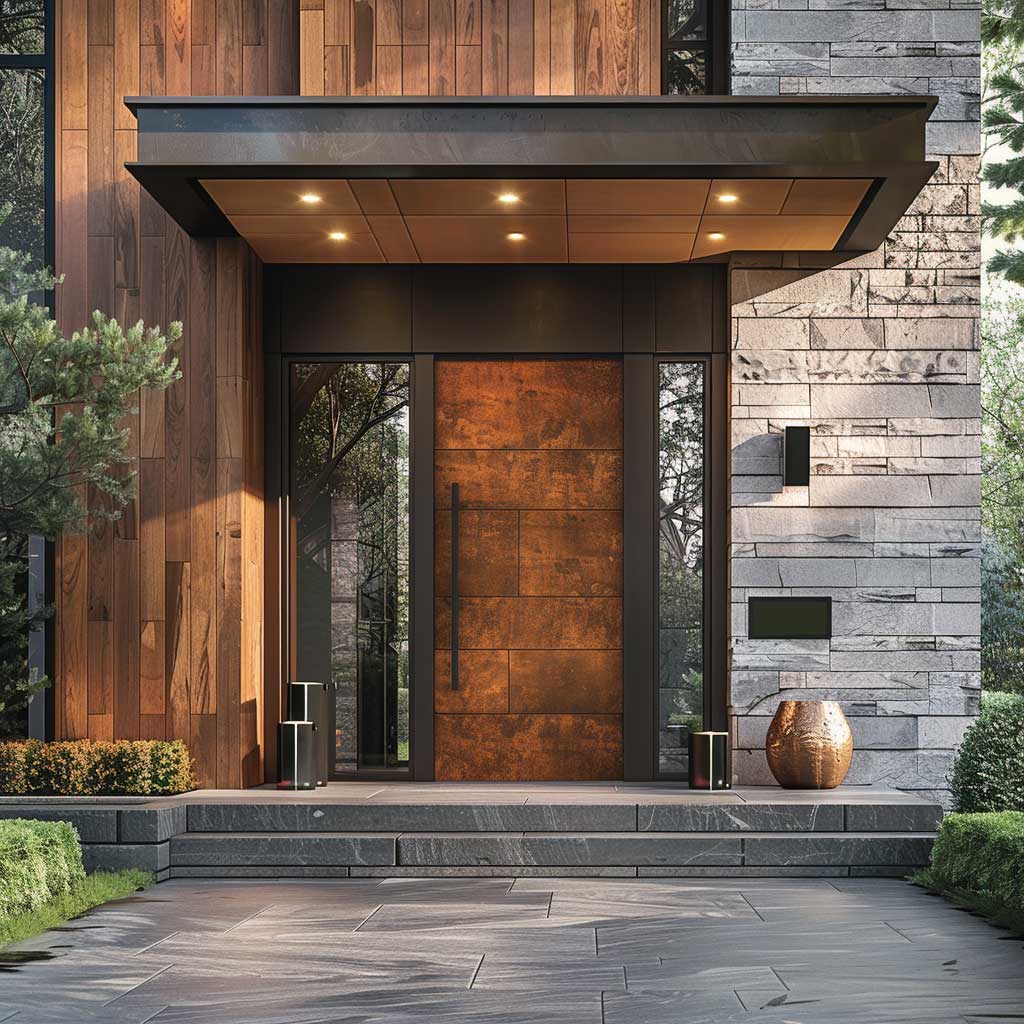
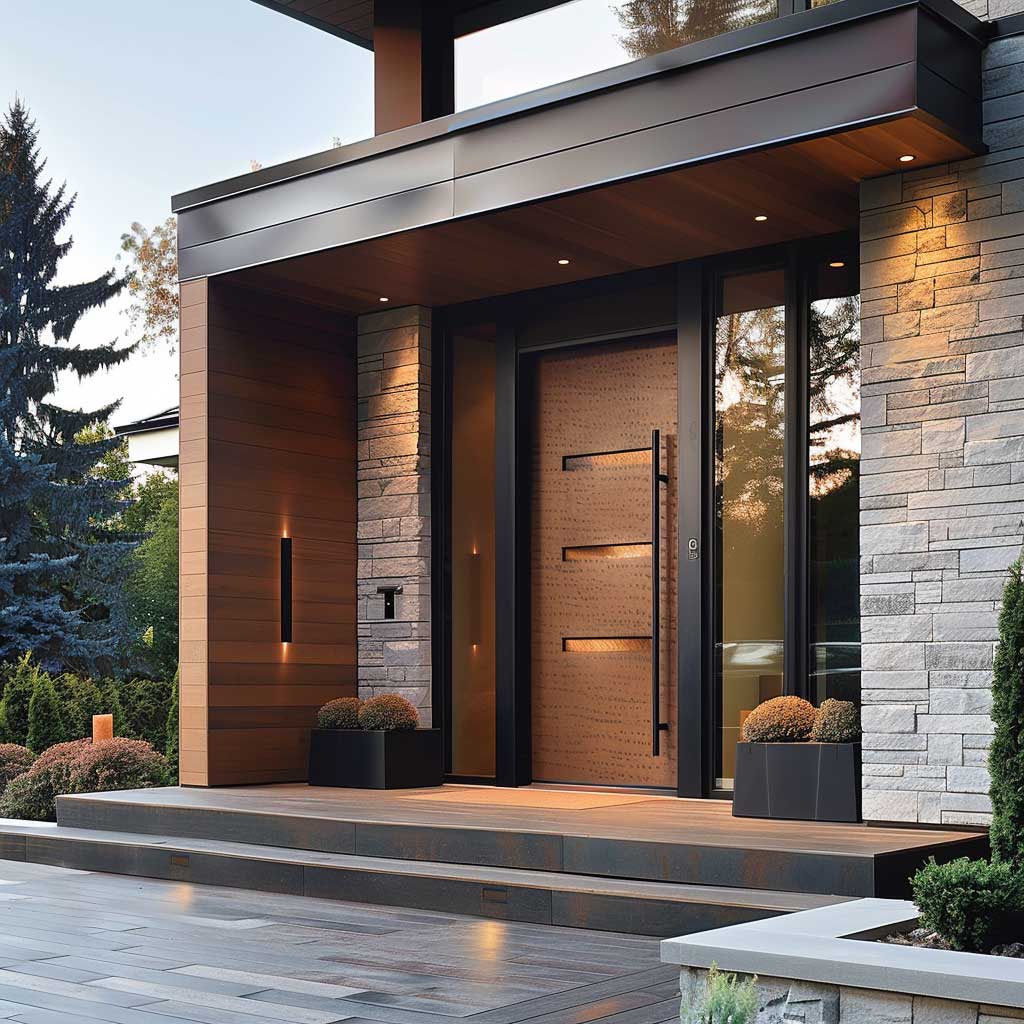
Turkish manufacturers produce doors in a wide range of finishes — from wood-look textures that mimic mahogany or oak, to matte black modern panels, to ornately detailed designs for villas and gated compounds. You’re not choosing between security and style; you get both.
Turkish Steel Doors vs. Other Options
| Feature | Turkish Steel Door | Wooden Door | Standard Aluminum Door |
|---|---|---|---|
| Forced-entry resistance | High (multi-point locks) | Low to moderate | Low |
| Weather/humidity resistance | High | Poor (swells, rots) | Moderate |
| Fire resistance | Often rated | Poor | Poor |
| Maintenance | Minimal | High (repainting, treatment) | Low to moderate |
| Design range | Wide (textures, colors, panels) | Wide but degrades over time | Limited |
| Typical lifespan | 20+ years | 5–10 years (climate-dependent) | 10–15 years |
Where Turkish Steel Doors Make the Most Sense
- Main entrances in standalone homes, especially in areas with higher break-in risk
- Gated estates and villas that want a statement entrance without compromising security
- Apartment buildings needing fire-rated, sound-insulating unit doors
- Commercial premises — offices, retail shops, warehouses — where security matters as much as appearance
- Coastal properties in places like Mombasa, where humidity destroys untreated wood and low-grade metal quickly
Questions to Ask Before You Buy
- What’s the steel gauge? Thicker gauge steel means a heavier, more resistant door — ask the supplier to specify it, not just say “steel.”
- How many locking points does it have? Anything below 3 points offers limited advantage over a standard door.
- Is the coating powder-coated or painted? Powder coating lasts significantly longer in humid or coastal climates.
- What’s covered under warranty? Confirm whether the frame, lock mechanism, and finish are all included.
- Can it be custom-sized? Many Kenyan homes have non-standard frame dimensions — confirm the supplier can match yours exactly.
- Who’s doing the installation? A poorly fitted steel door loses most of its security advantage — installation quality matters as much as the door itself.
Final Thoughts
A door upgrade isn’t something most people think about until after a break-in or after years of dealing with a swollen, rotting wooden frame. Turkish steel doors solve both problems at once — giving you a door that’s harder to force open, easier to maintain, and available in a finish that actually complements your home.
If you’re weighing your options, it’s worth getting a proper quote based on your exact door frame size and the level of security you need, rather than guessing from a price list.